Online Support
Typically replies within 5 minutes
Hello! How can we assist you today?

March 2026

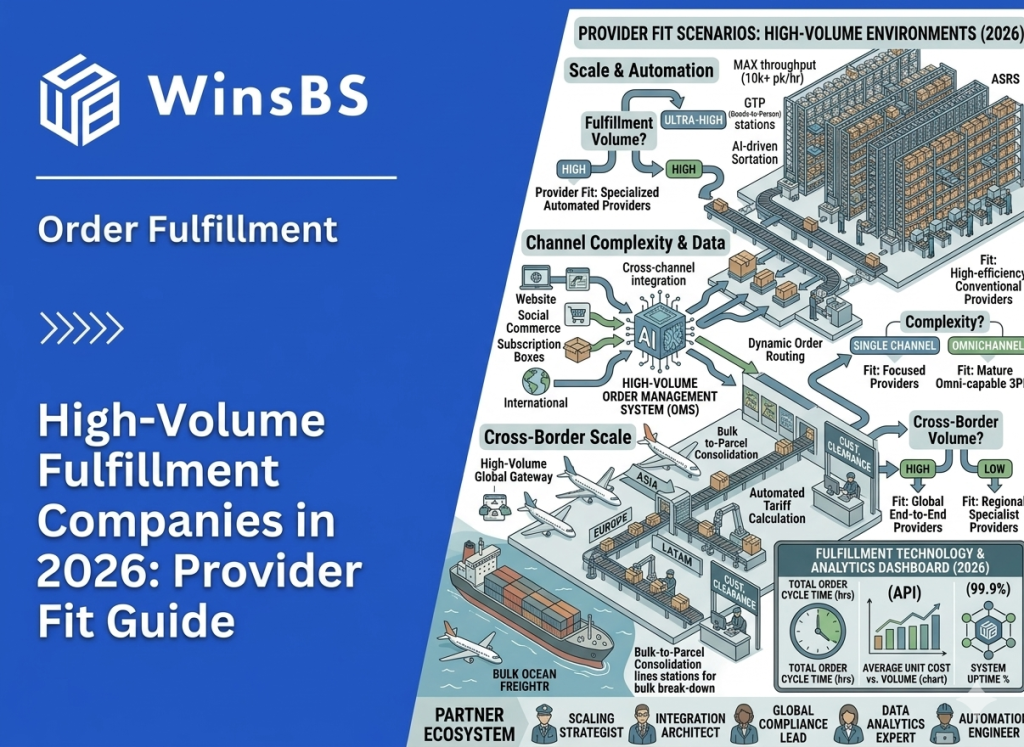
WinsBS crowdfunding logistics poster titled "Toys Crowdfunding Replacements 2026: Missing Parts & Safety Risk", showing a workflow for toy order fulfillment, replacement management, safety risk assessment, QC inspection, and strategic 3PL fulfillment delivery.
Crowdfunding Fulfillment, Ecommerce, Order Fulfillment, Shipping & Logistics, Warehousing, Winsbs

Toys Crowdfunding Replacements 2026: Missing Parts & Safety Risk

Toys Crowdfunding Replacements in 2026 Why “missing parts” turn into safety perception, component stockouts, and long-tail reships WinsBS Fulfillment — Maxwell Anderson Updated February 2026 · Toys & Kids · Crowdfunding Fulfillment · Reship & Replacement TL;DR: In toys crowdfunding, replacement tickets rarely stay “one-off.” A missing accessory, small part, or wrong variant can quickly turn into a trust problem: parents ask whether the product is safe, complete, and consistent. The second cycle stays open when you still have inventory — but not the exact parts needed to close cases cleanly. On this page You Delivered the Toys — Then the “Missing Piece” Messages Start The Toy Replacement Problem Is Usually Component-Level, Not Unit-Level Why Safety Perception Changes the Tone of Replacements Packaging & Kitting Drift: How “Complete Sets” Become Inconsistent Variant Confusion: Age, Language, and Regional Differences Returns Don’t Rebalance Toys the Way You Expect What Actually Closes a Toys Replacement Cycle Methodology & Sources You Delivered the Toys — Then the “Missing Piece” Messages Start The main wave looks clean. Parcels arrive, tracking turns Delivered, and photos start showing up in comments. For a toy campaign, that public unboxing moment matters — because your buyers aren’t only buyers. Many are parents, gift-givers, and first-time backers watching each other’s experiences. Then the first ticket hits — and it rarely sounds like “damage.” “The set is missing one small piece.” “We didn’t get the accessory shown in the update.” “It arrived, but the bag inside looks opened.” “Is this safe? There are loose parts in the box.” “Another backer got a different version — why?” At first this feels minor. One missing token. One accessory. One small part that fell out of a bag. In toys, “missing parts” are not just completeness issues. They become trust issues — especially when kids are involved. A backer missing a board game card is annoyed. A parent missing a small toy part immediately thinks about choking hazard, QC, and whether the product was handled correctly. The ticket tone changes. This is why toy replacements behave differently from many categories: the underlying issue might be small, but the perceived risk is large. And perception spreads faster than your support queue can close cases. If you shipped 5,000 units, even a quiet 0.5% “missing component” rate is 25 cases — enough to create a visible thread if cases cluster around one batch, one fulfillment lane, or one pack-out step. The first cycle delivers toys. The second cycle proves the sets are complete and consistent. The Toy Replacement Problem Is Usually Component-Level, Not Unit-Level In many crowdfunding categories, replacements happen at the unit level. A garment is swapped. A device is replaced. A bottle is resent. Toys rarely behave that way. Most tickets are not: “The entire product is unusable.” They are: One connector piece is missing. A small molded part cracked. A sticker sheet was left out. An accessory pack is incomplete. The wrong color variant was inserted. That distinction matters operationally. Toy replacement stress concentrates at the component level, not the finished-unit level. Your WMS may show 800 finished units remaining. That looks safe. But if 40 replacement tickets all request the same small part — and you only packed 50 spare pieces — your effective replacement capacity collapses immediately. Unlike apparel, where size imbalance drives the second cycle, toy campaigns often stall because one specific component: was under-packed as spare stock, was sourced from a slightly different batch, or has a slightly higher break rate than forecast. Once that component buffer runs thin, every new ticket feels heavier. Replacement cycles in toys stall when the spare-part pool drains — even if full boxed inventory still exists. Some creators respond by sending entire replacement units instead of individual parts. That closes tickets faster, but it accelerates finished inventory depletion. Over time, this creates a quiet shift: Spare components run out. Whole units are shipped as replacements. Replacement volume begins to exceed original defect assumptions. What started as a “missing piece” issue becomes an inventory reallocation issue. In toy crowdfunding, the second cycle is controlled by the smallest part in the box — not by the box itself. Missing Component (The “Small Part” Problem) Public Visibility Safety Concerns Spike Ticket Volume ×4 Full Unit Cannibalization Secondary Cycle Crisis WinsBS Inventory Depletion Logic Why Safety Perception Changes the Tone of Replacements A missing accessory in an adult product is an inconvenience. A missing or loose part in a children’s product feels different. The language in support tickets shifts quickly: “Is this a choking hazard?” “Was this inspected before shipping?” “Are other sets affected?” “Should we stop letting our child use it?” At this point, the issue is no longer about logistics. It becomes about perceived product safety and quality control. In toy crowdfunding, perception escalates faster than defect rates. Even if the actual failure rate is low, once a few similar cases appear publicly — in campaign comments, Facebook groups, or Reddit threads — more backers begin inspecting their sets more closely. That inspection effect increases ticket volume. Not because the defect suddenly spread, but because visibility increased. Visibility multiplies replacement demand. This dynamic is specific to crowdfunding. Retail environments diffuse complaints across channels. Crowdfunding concentrates them in one public place. When multiple backers reference the same missing part in a visible thread, others who might have ignored a minor issue now submit a ticket. The replacement cycle extends — not purely from operational failure, but from heightened scrutiny. In toys, the second cycle is shaped as much by public attention as by physical defects. That is why toy replacement curves often show a spike several days after the first public comment, rather than immediately after delivery. Packaging & Kitting Drift: How “Complete Sets” Become Inconsistent Most toy crowdfunding campaigns rely on kitting. Multiple small components are packed together: molded parts, accessory bags, instruction sheets, stickers, inserts, sometimes across more than one assembly line or fulfillment batch. During the main wave, everything appears standardized. Boxes

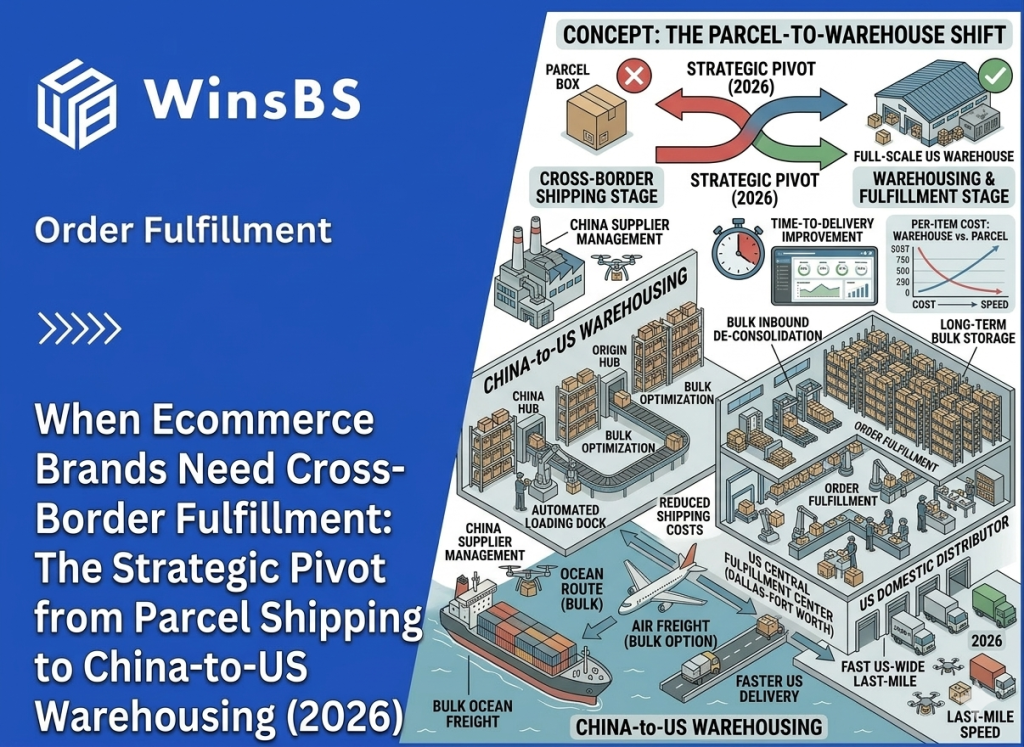
Flowchart of apparel crowdfunding replacement process beside WinsBS logo and title, illustrating size mismatch resolution, re-production, and international order fulfillment and 3PL fulfillment services in 2026.
Crowdfunding Fulfillment, Ecommerce, Order Fulfillment, Shipping & Logistics, Warehousing, Winsbs

Apparel Crowdfunding Replacements 2026: Size Mismatch & Survey Drift

Apparel Crowdfunding Replacements in 2026 Why size, survey variance, and late changes keep the second cycle open WinsBS Fulfillment — Maxwell Anderson Updated February 2026 · Apparel & Accessories · Crowdfunding Fulfillment · Reship & Replacement TL;DR: Apparel replacements rarely come from “broken” product. They come from mismatch: wrong size shipped, survey selections changed, address edits after lock, and size/color combinations running out unevenly. Even with low defect rates, the second cycle stays open when you still have inventory — but not in the sizes backers need. On this page You Shipped the Main Wave — Then the “Fit” Tickets Start Size Distribution Is Never Stable After Shipping Survey Data Becomes a Replacement Trigger Freeze Date vs Ship Date: The Gap Creates Reships Color × Size Combos Create Invisible Stockouts Exchange Requests Multiply Faster Than True Defects Why Returns Rarely Work Cross-Border Late Pledges and Add-ons Reopen Inventory Batch Drift: The Replacement Unit Isn’t Always the Same What Actually Closes an Apparel Replacement Cycle Methodology & Sources You Shipped the Main Wave — Then the “Fit” Tickets Start The main wave goes out clean. Boxes move fast. Labels scan. Tracking updates roll in. A growing share flips to Delivered. For an apparel campaign, this is usually the moment you think the hardest work is behind you. Then the post-delivery messages begin — and they don’t read like “damage” cases. “I ordered M but received L.” “This runs smaller than expected — can I switch to XL?” “My survey selection was wrong. Can you swap my size?” “I changed my address after the lock date — can you resend?” “Color is correct, but the fit isn’t — what are my options?” In crowdfunding, these tickets arrive even when your warehouse execution was solid. Apparel replacements aren’t dominated by broken product. They’re dominated by mismatch. A broken item has a clear path. A mismatch creates choices — and those choices keep the second cycle open. The replacement decision in apparel is rarely “ship another unit.” It’s usually: which size, which color, from which remaining pool, and under what rules. This is also where crowdfunding behaves differently than standard ecommerce. Many backers are first-time buyers of a brand. They didn’t try the garment on in a store. The fit expectation is guesswork until the package arrives. So the post-delivery workload is often not a defect tail. It’s an exchange tail. Even with a low problem rate, the count becomes real fast. If you shipped 6,000 units, a conservative 1–2% mismatch rate is still 60–120 cases. And unlike many categories, a single case may not have a clean “send part A” fix. Most apparel replacement cycles get heavy for one simple reason: you can still have inventory on the shelf and still be unable to close the tickets — because the remaining inventory isn’t in the sizes people are asking for. In apparel, post-delivery stress isn’t caused by running out of stock. It’s caused by running out of the right stock. The rest of this article breaks down why that happens in real crowdfunding operations: size distribution instability, survey variance, lock-date gaps, color-size combination stockouts, and late changes that quietly reopen inventory after the main wave is already “done.” Size Distribution Is Never Stable After Shipping Apparel production is locked before fulfillment begins. You forecast a distribution curve: S / M / L / XL based on survey data and historical assumptions. Manufacturing ratios are set. Cutting, dyeing, and packing follow that fixed plan. When the main wave ships, those ratios begin to collapse in real time. Each fulfilled order consumes one point on the size curve. But replacement demand does not follow the original distribution. Replacement demand clusters around specific sizes. It does not mirror production ratios. In real campaigns, mismatch requests often skew toward: Backers moving up one size (M → L) Backers moving down one size (L → M) Edge sizes (XS, XXL) exhausting early The issue rate may be only 1–2%. But if 70% of exchange requests point to the same size, that single SKU drains quickly. You might still have 300 total units in inventory — but only 3 units in the requested size. “Inventory remaining” is not the same as “inventory usable for replacements.” This is where the second cycle begins to stretch. If size L runs out first, and most exchanges request L, you’re forced into decisions: Offer refund instead of exchange Offer alternative color in the same size Delay response hoping cancellations rebalance stock None of these close cases cleanly. Apparel buffer is rarely symmetrical. You might have 50 spare units — but if they are mostly S and XL, they don’t solve L-driven tickets. Apparel replacements fail at the size level long before they fail at the unit level. The mismatch rate may be low. The structural imbalance can still keep the replacement queue open for weeks. Survey Data Becomes a Replacement Trigger In crowdfunding, size and color are usually collected through a survey platform — BackerKit, PledgeManager, or a native pledge manager. That survey feels definitive. Once it closes, production ratios lock and fulfillment begins. But survey data is not static behavior. The survey captures a decision made weeks or months before delivery. The replacement request reflects a decision made after trying the product on. Between those two moments, several things happen: Backers forget what they selected Mobile selections default to pre-filled sizes Multiple edits occur before the freeze date Late edits happen after freeze and go unnoticed From the creator’s side, the record looks clean. The warehouse picks exactly what the system shows. From the backer’s perspective, the expectation may be different. Many “wrong size” tickets are not picking errors. They are perception mismatches between stored data and remembered choice. This matters operationally. If a true warehouse error occurs, it is traceable. If the survey selection was technically correct, but the backer claims otherwise, the resolution becomes discretionary. Most creators choose goodwill over debate. They approve the exchange. And once that decision