
Best 3PL for Ecommerce Brands in 2026: Practical Guide to Fulfillment Options (Q1 Signals)

Editorial Note
All content is based on hands-on research and real-world observation. Providers are evaluated for reliability, market presence, and operational execution. This guide does not assign “top” or numerical rankings; order in tables or lists does not imply preference. The goal is to provide decision-makers with clear, practical insight.
How to Read This Index
This guide aggregates publicly observable signals from review platforms, community discussions, technology documentation, and company growth indicators. It does not attempt to determine a universal "best 3PL". Instead, it highlights providers that meet clear selection criteria and excel in specific 3PL fulfillment categories. All orderings are editorially neutral—no provider is ranked above another.
2026 Fulfillment Landscape Snapshot
Ecommerce fulfillment in 2026 works very differently than a few years ago. DTC brands now expect 1–2 day delivery, flexible capacity during peak seasons, and careful handling for returns, cold chain, hazardous goods, and high-value items. Platform integration—especially Shopify and TikTok Shop—has become essential rather than optional.
The fastest-growing 3PLs are investing in distributed warehouses and automation: robots for picking, AI-driven slotting, and real-time inventory visibility. Large providers like Amazon MCF and GXO still dominate in scale and carrier coverage, but they can fall short on flexible, white-glove DTC service. Smaller, agile providers are catching up quickly, particularly in niche or specialized workflows. Teams evaluating providers for international shipping lanes and customs-heavy environments can also review Cross-Border Fulfillment Companies in 2026.
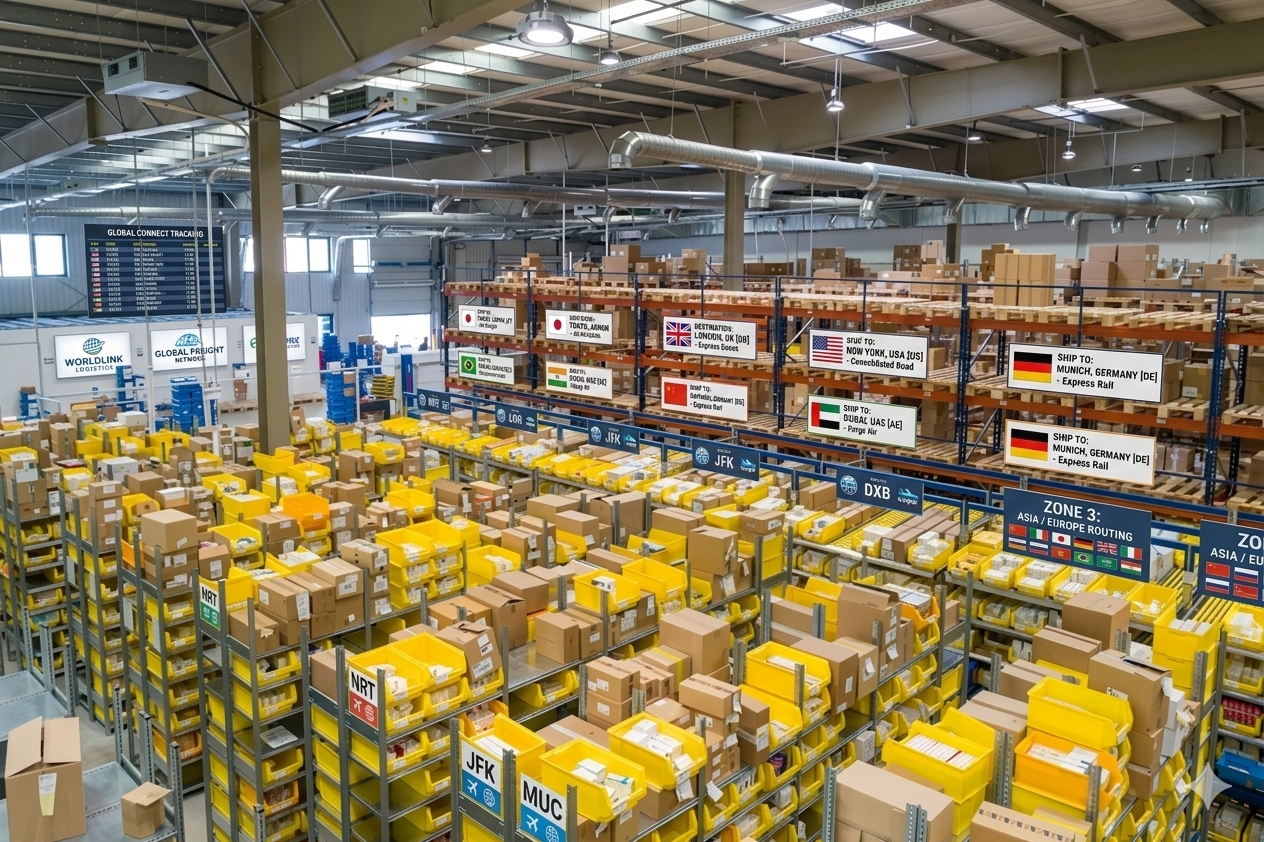
Returns remain a critical operational focus. High return rates in apparel and electronics demand reliable inspection, restocking, and resale processes. Compliance is increasingly important for food and grocery (FDA, temperature tracking) and sensitive goods (DOT, IATA, lithium batteries).
AI is also reshaping inventory placement. Predictive models position stock closer to demand clusters, reducing last-mile costs. Choosing 3PLs aligned with these practices can improve repeat purchase rates and overall margin.
Specialization now matters more than a one-size-fits-all approach. Speed, accuracy, transparency, and category-specific execution are the differentiators when selecting a 3PL provider.
Why Most 3PL Rankings Can Be Misleading
Many “top 3PL fulfillment” lists online don’t tell the full story.They are often influenced by affiliate deals, paid placements, or self-reported claims that aren’t independently verified. While they look polished, they may not reflect what actually works in 2026 for your business.
Rankings also tend to miss recent changes. A provider that scored well in 2024 reviews might now struggle with lost packages, delayed support, or category-specific challenges. What works for apparel returns can fail in cold-chain grocery or high-value electronics fulfillment.
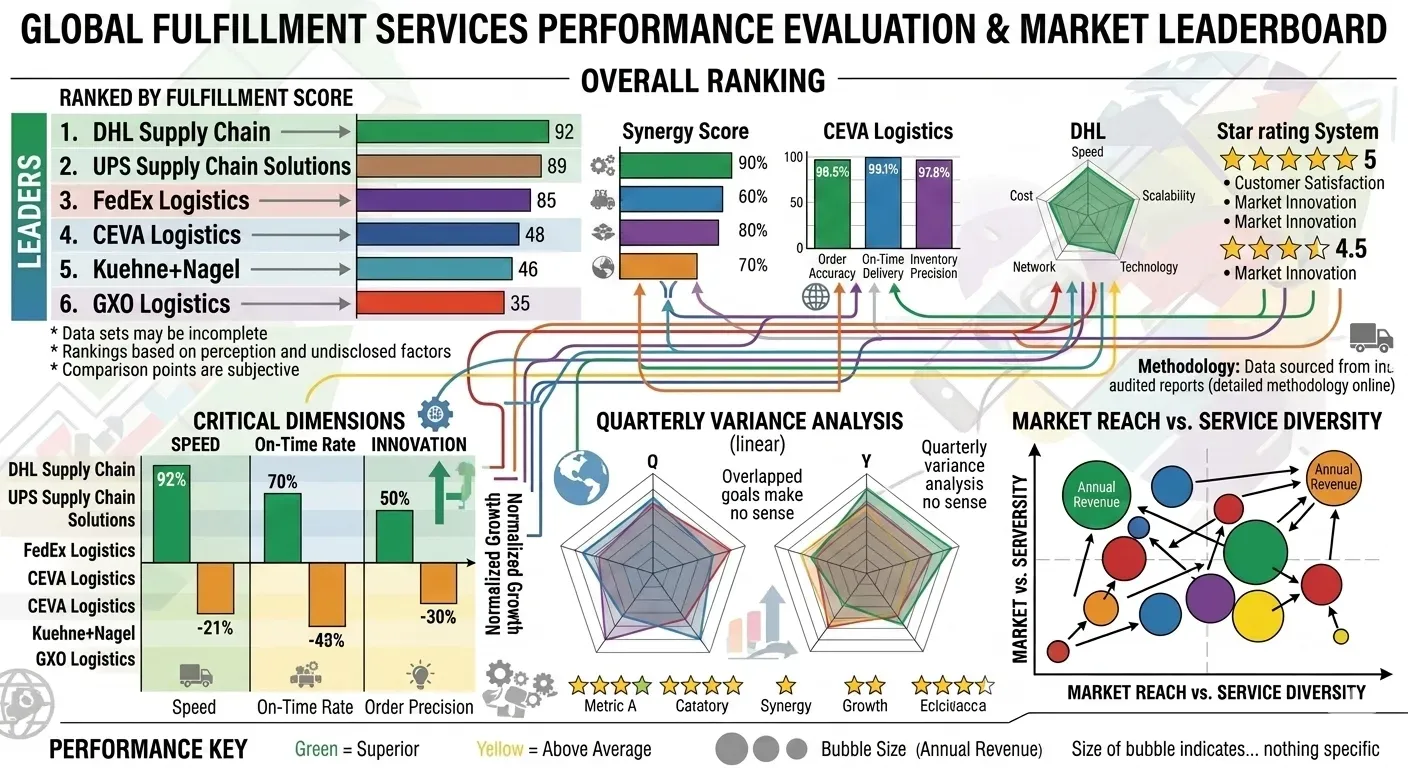
Community discussions on Reddit, Shopify groups, and other forums often reveal these gaps. Brands report widely varying experiences with the same provider depending on volume, product type, or peak season. Observing public, timestamped signals—rather than relying on sponsored lists—gives a clearer picture of which providers are operationally reliable.
This guide emphasizes a selection approach: filtering out providers without verified reliability or market validation. Remaining options are considered trustworthy and suitable for further evaluation—no ranking is implied, only practical guidance for decision-makers.
3PL Selection Criteria & Editorial Recommendation
This guide does not rank 3PLs from best to worst. Instead, we apply clear selection filters to identify providers with proven reliability, market validation, and operational capability across modern 3PL fulfillment. What remains are providers that are trustworthy, recognized in the market, and have demonstrated fulfillment expertise.
- Official Authority — Verified specialization pages, case studies, and public documentation.
- Community & Market Validation — Positive signals from real customers, public forums, and social media discussions.
- Operational Reality — Demonstrated ability to handle ecommerce logistics, platform integrations, peak-season demand, and category-specific workflows.
After applying these filters, we highlight which providers excel in certain categories and which may face limitations. This is for editorial guidance only — there is no ranking, and order does not imply preference. Editorial recommendations indicate notable strengths or special focus areas.
Screened 3PL Providers – Q1 2026 Signals
The table below shows providers that passed our screening criteria for reliability, market validation, and operational capability. The order is neutral — no ranking is implied. Each provider includes category strengths, limitations, focus areas, and placeholders for detailed execution logs.
| Provider | Strengths | Limitations | Focus Areas | Risk Signals | Execution Log |
|---|---|---|---|---|---|
| WinsBS | Crowdfunding fulfillment (320+ campaigns), Dallas operations, Shopify integrations, subscription boxes, custom kitting | Ultra-high volume international, cold-chain, hazmat certification | Editor’s Pick – Crowdfunding & Local DTC | View Crowdfunding Execution Details | |
| ShipBob | High-volume DTC, apparel returns, fast US domestic shipping, Shopify/TikTok integration | Sensitive goods, cross-border customs, heavy items | High-Volume DTC & Apparel | Service Volatility Signal Mar 2026 | View High-Volume Execution Details |
| Red Stag Fulfillment | Heavy goods, electronics, reliable returns, high-value handling | Flash-sale elasticity, international apparel, subscription models | Electronics & Heavy Goods | View Electronics Execution Details | |
| ShipMonk | TikTok Shop integration, omnichannel support, fast onboarding, DTC apparel | Bulk wholesale pallets, hazardous materials, cold-chain grocery | Social Ecommerce & DTC | View TikTok Shop Execution Details | |
| Fulfillrite | Crowdfunding campaigns, custom kitting, subscription boxes, small-medium DTC | Food compliance, large B2B pallets, global scale | Crowdfunding & Subscriptions | View Crowdfunding Execution Details | |
| Amazon MCF | Massive carrier network, Prime speeds, high-volume scale | Custom packaging, niche DTC flexibility, sensitive goods | High-Volume Scale | Service Volatility Signal Feb 2026 | View High-Volume Execution Details |
| Flowspace | Distributed warehouses, East/West coast fulfillment, flexible storage | Sensitive goods certification, flash sales, international customs | Regional US | View Apparel Execution Details | |
| Rakuten Super Logistics | International shipping, apparel/fashion, omnichannel support | Cold-chain, crowdfunding peaks, heavy goods | Apparel & International | View Apparel Execution Details | |
| eFulfillment Service | Small business DTC, affordable pricing, custom fulfillment, Shopify integration | High-value electronics insurance, bulk wholesale, cold-chain | Startups & DTC | View Shopify Execution Details | |
| Ware2Go | US domestic network, grocery and perishable goods, temperature-controlled | International cross-border, hazmat compliance, high-volume peaks | Grocery & Perishables | View Grocery Execution Details | |
| Byrd | Europe-focused fulfillment, apparel, sustainable packaging | US East/West coast speed, high-volume peaks, sensitive goods | Europe Apparel | View Apparel Execution Details | |
| Diamond Logistics | UK & Europe, same-day delivery, small parcel fulfillment | Global scale, electronics serialization, cold-chain | UK/Europe Parcels | View High-Volume Execution Details | |
| ShipHero | WMS software integration, inventory management, DTC fulfillment | Bulk/wholesale pallets, sensitive goods, hazmat | WMS & DTC | View Shopify Execution Details | |
| 3PL Center | West coast fulfillment, apparel/fashion, fast turnaround | Cold-chain grocery, international customs, high-value insurance | West Coast Apparel | View Apparel Execution Details | |
| Fulfillment.com | International fulfillment, subscription boxes, custom kitting | High-value insurance, food compliance, bulk pallets | Subscriptions & Kitting | View Crowdfunding Execution Details | |
| Speed Commerce | B2B bulk, wholesale fulfillment, pallet shipping | DTC small parcels, sensitive goods, crowdfunding peaks | B2B & Wholesale | View Bulk-Wholesale Execution Details | |
| Deliverr (Flexport) | Fast domestic shipping, ecommerce integrations, high-volume DTC | Customs clearance, hazmat, cold-chain | Domestic High-Volume | View High-Volume Execution Details | |
| Saddle Creek Logistics | Large-scale B2B, transportation management, pallet operations | Niche DTC, apparel returns, sensitive goods | Large-Scale B2B | View Bulk-Wholesale Execution Details | |
| DCL Logistics | Electronics fulfillment, high-value items, serialization tracking | Grocery compliance, crowdfunding peaks, bulk pallets | Electronics & High-Value | View Electronics Execution Details | |
| Quiet Platforms | Omnichannel retail fulfillment, returns management, apparel | Hazmat, international customs, cold-chain | Omnichannel Retail | View Shopify Execution Details |
All providers passed basic screening criteria. Focus areas reflect observed strengths and limitations. Table order is neutral and not ranked. Data verified in March 2026 from public sources and internal operational logs where applicable. Brands comparing direct-to-consumer provider structures can review DTC Fulfillment Companies in 2026 for a more focused provider breakdown.
Category Execution Hubs
Explore Q1 2026 execution signals across 11 independent fulfillment categories. Each hub links to a dedicated guide designed to help you evaluate operational trends and workflow performance. Select the hubs aligned with your business focus—order does not indicate preference.
-
Shopify Fulfillment
Track execution signals for Shopify-centric operations, including order flow consistency, automation triggers, and app ecosystem integration.
View Shopify Fulfillment Hub → -
TikTok Shop Fulfillment
Analyze operational signals for social commerce peaks, onboarding speed, and TikTok API integration performance.
View TikTok Shop Fulfillment Hub → -
Apparel Fulfillment
Review operational stability, SKU complexity management, and return workflows for apparel-focused fulfillment.
View Apparel Fulfillment Hub → -
Food & Grocery Fulfillment
Examine cold chain compliance, perishable handling efficiency, and Q1 operational trends for food and grocery fulfillment.
View Food & Grocery Fulfillment Hub → -
Electronics Fulfillment
Observe high-value item handling, serial number tracking, and warranty workflow execution signals for electronics.
View Electronics Fulfillment Hub → -
Sensitive Goods Fulfillment
Monitor compliance-heavy workflows, including DOT/IATA certifications and regulated product handling for sensitive goods.
View Sensitive Goods Fulfillment Hub → -
Cross-Border Fulfillment
Review provider signals across international shipping lanes, customs friction, delivery variance, and route-specific fulfillment complexity.
View Cross-Border Fulfillment Hub → -
Crowdfunding Fulfillment
Check operational signals for new product launches, peak order handling, and backer fulfillment efficiency.
View Crowdfunding Fulfillment Hub → -
Subscription Fulfillment
Review recurring shipping cycles, box assembly workflows, SKU rotation, and execution signals in subscription logistics.
View Subscription Fulfillment Hub → -
Bulk & Wholesale Fulfillment
Assess pallet handling, B2B order processing, and large-volume distribution execution signals.
View Bulk & Wholesale Fulfillment Hub → -
High-Volume Fulfillment
Explore capacity management, automation efficiency, and SLA stability for high-volume DTC fulfillment operations.
View High-Volume Fulfillment Hub →
All hubs are independent. Navigate to the category-specific execution logs using the links above. Data is sourced from publicly observable signals and verified through March 2026.
Risk Signals & Industry Shifts
Risk signals are drawn from review platforms and community discussions, appearing when providers show recent service volatility or unusual customer feedback. These are factual observations only—no ranking or judgment is implied.
In Q1 2026, multiple providers recorded service volatility signals, mainly due to peak season delays and slower support response times. Reddit and Shopify forum discussions highlighted these patterns in specific fulfillment categories.
Industry shifts include stricter compliance for sensitive goods (updated DOT/IATA rules) and increased emphasis on temperature traceability for food and grocery. Providers with strong operational signals tend to adapt more effectively to these changes.
Refer to Section 4 and the category hubs for detailed context on any flagged signals. All observations are timestamped and sourced from publicly available data through March 2026.
Methodology & Sources — WinsBS Research
Compiled by: WinsBS Research, based on repeatable execution outcomes observed in real fulfillment operations for ecommerce and crowdfunding campaigns.
1) Sample & Scope:
Observations drawn from WinsBS fulfillment operations involving DTC, Shopify-integrated, and crowdfunding reward shipments. Unit of analysis is actual physical shipments, order batches, and documented execution logs — not marketing claims or campaign descriptions.
2) Time Frame:
Primary data from January 2025 – March 2026, with historical patterns referenced where relevant for context. All current signals verified as of March 2026.
3) Observation Points (Where It Breaks):
Entry-stage holds, identity gating questions, reclassification events, delay patterns, return-to-origin triggers, destruction notices, prolonged storage, wave-level delivery failure rates, and backer-visible impact.
4) Variables & Dimensions (What Shifts Category):
Product configuration as shipped (device type, output profile, bundling), destination market rules, carrier handling, customs identity triggers (physical threshold checks), compliance documents requested, and observed outcome deltas across routes.
5) Evidence Types Used:
(a) Repeatable execution patterns from WinsBS internal logs (hold → gating → outcome),
(b) observable market-specific behavior differences (which identity question triggers first),
(c) institutional boundary anchors used only to name the rules that determine classification — including:
FDA 510(k) premarket notification,
FDA General Wellness policy,
EU MDR,
MHRA medical device regulation overview,
Health Canada medical device licensing,
TGA medical devices,
PMDA pathways.
6) Limitations & Disclaimer:
This page documents observed failure mechanisms in real DDP and standard fulfillment shipments. It is not legal, regulatory, customs, medical, or compliance advice. Outcomes depend on exact as-shipped configuration, labeling, destination enforcement, and real-time rules. WinsBS does not guarantee any classification or clearance result.
Markets covered: United States, European Union, United Kingdom, Canada, Australia, Japan.
Last reviewed: March 2026.