Best 3PL Solutions for Apparel Brands in 2026 10 providers worth comparing when returns, size curves, and channel mix start making apparel fulfillment harder to keep under control

What this page is and what it is not
This is a shortlist page for apparel teams trying to narrow the field. It is not a generic glossary, and it is not pretending every provider here is the same kind of fit. Some names belong because they look genuinely useful for apparel. Some belong because they are solid comparison points. That distinction matters.
Why Apparel Brands Usually End Up on a Page Like This
Most apparel teams do not come here at the beginning. They come here after the operation starts feeling heavier than it used to. The same stock issue keeps coming back. Returns take too long to get sorted. A simple color or size mistake turns into a support problem. Someone on the team starts saying, "We cannot keep doing this by hand."
That is why apparel selection is different from generic 3PL shopping. Apparel is not just cartons in and cartons out. It is variant depth, presentation standards, relabeling, kitting, return grading, and the awkward weeks where a launch or promo makes everything feel normal until the warehouse side suddenly is not normal anymore.
If you already know you need an apparel-focused partner and want to see how WinsBS handles that work directly, start with the core apparel fulfillment services page. If you are still comparing options, stay here. This page is built to help you narrow the field without pretending every provider solves the same kind of problem.
How to Read This 2026 Comparison Without Wasting Time
No 3PL is "best" in the abstract. The real question is whether a provider is built for the kind of pressure your team is actually under. Some operations are better for small and growing DTC apparel brands. Some are better for larger omnichannel programs. Some are strong on general ecommerce reliability but are not really built around apparel-specific workflows.
The filters that matter more than a polished sales page
- Does the provider look truly comfortable with apparel returns, variant complexity, and presentation-sensitive handling?
- Are they built for startup and SMB order profiles, or does everything about the public positioning point to enterprise onboarding?
- Do they explain how they handle DTC, wholesale, marketplaces, and value-added work such as relabeling, prep, or branded packaging?
- When public detail is thin, do they at least make their operating model clear, or are you expected to fill in the blanks on sales calls?
- Do they sound like an apparel specialist, or like a generalist that might still fit if your requirements are simpler?
One important correction from the 2025 version: not every company on this list should be read as an apparel specialist. A few are here because they are still meaningful comparison points, not because they should automatically make every apparel shortlist.
10 Apparel 3PLs Worth Comparing in 2026
Treat this as a shortlist, not a leaderboard. The table is there to help you see who is built for what kind of apparel operation, where the likely tradeoffs sit, and which names deserve a real call versus a quick pass.
| Provider | How They Show Up Publicly | What Looks Useful for Apparel | What to Watch For | Best Fit |
|---|---|---|---|---|
| WinsBS Fulfillment View apparel page |
Apparel-focused fulfillment with a clear DTC and launch-friendly posture. | SKU-heavy apparel workflows, GOH handling, custom packaging, returns handling, and lower-friction onboarding for growing brands. | You still need your own order profile, return behavior, and packaging requirements mapped before quoting means anything. | Growing DTC apparel brands, launch-driven programs, and teams that need flexibility without a bloated rollout. |
| Buske Logistics View apparel page |
Long-established operator with an apparel page and special-handling positioning. | Environmental control, SKU handling discipline, and a more infrastructure-heavy posture for apparel and footwear. | Public minimums and commercial fit are not very explicit, so smaller brands may need to qualify quickly rather than assume fit. | Premium apparel and footwear brands that care about operational stability more than a lightweight startup feel. |
| eFulfillment Service View apparel page |
Lower-barrier ecommerce 3PL with a clear apparel offer. | Friendly onboarding posture, simple terms, returns support, and a model that makes sense for early-stage brands. | It is not the same kind of network story as larger distributed operators, so growth-stage brands should test how far the model stretches. | Startups and smaller apparel brands that need a practical first outsourcing step. |
| Red Stag Fulfillment View site |
Reliability-first general ecommerce 3PL with strong SLA language. | Strong service discipline, accuracy-focused positioning, and useful benchmark value if you are comparing generalist operators. | Red Stag publicly says it is not built to serve apparel companies as a primary category, so this is not an apparel-native recommendation. | Teams benchmarking service discipline across generalist providers, not brands that need an apparel specialist first. |
| ShipBob View apparel page |
Large ecommerce network with strong DTC familiarity. | Distributed reach, integration depth, custom branding options, and a model many scaling DTC brands can understand quickly. | Do not assume apparel returns logic, fee detail, or handling nuance from network size alone. Those points still need direct confirmation. | Scaling DTC apparel brands that want nationwide speed and a familiar tech ecosystem. |
| ShipMonk View apparel page |
Tech-led multi-channel 3PL with apparel positioning. | B2B and DTC overlap, international posture, systems depth, and a broader operational surface for multi-channel apparel sellers. | As with other larger operators, real fit depends on what your account actually gets, not just what the public page can list. | Fast-growing apparel brands running more than one channel and planning for broader geographic coverage. |
| SHIPHYPE View apparel page |
SMB-friendly operator serving North American ecommerce programs. | Flexible entry posture, FBA prep support, and useful overlap for brands balancing DTC with marketplace work. | High-touch apparel programs with more complex handling requirements may need deeper process review before signing. | SMB apparel brands and mixed-model operators that need a practical North America option. |
| PFS View fashion page |
Brand-heavy omnichannel operator with fashion positioning. | Luxury presentation, customer care, and a stronger fit for brands where packaging and brand consistency matter. | Feels much more enterprise-oriented than startup-friendly, so smaller brands should not assume accessibility. | Established apparel, fashion, and luxury programs with broader service expectations. |
| Quiet Platforms | Network and data-science-led operator with retail pedigree. | Click2Door positioning, shared-network thinking, and a stronger story around end-to-end accountability than many warehouse-first providers. | Public positioning is broader than pure apparel, so confirm how well the model fits your SKU depth, returns flow, and brand presentation needs. | Mid-market and lifestyle brands that care about network leverage and retail-adjacent operating discipline. |
| FedEx Supply Chain View site |
Enterprise-scale supply chain operator with deep network resources. | Automation, returns processing depth, and broad operational range for larger programs. | This can be too heavy, too structured, or simply too much operator for smaller apparel brands. | Larger apparel brands that need scale, process depth, and enterprise-style support. |
Company Profiles With Website Screenshots
Public pages tell you a lot. Some companies look like they truly understand apparel. Some look like broad logistics companies with apparel somewhere in the list. That difference is part of the decision.
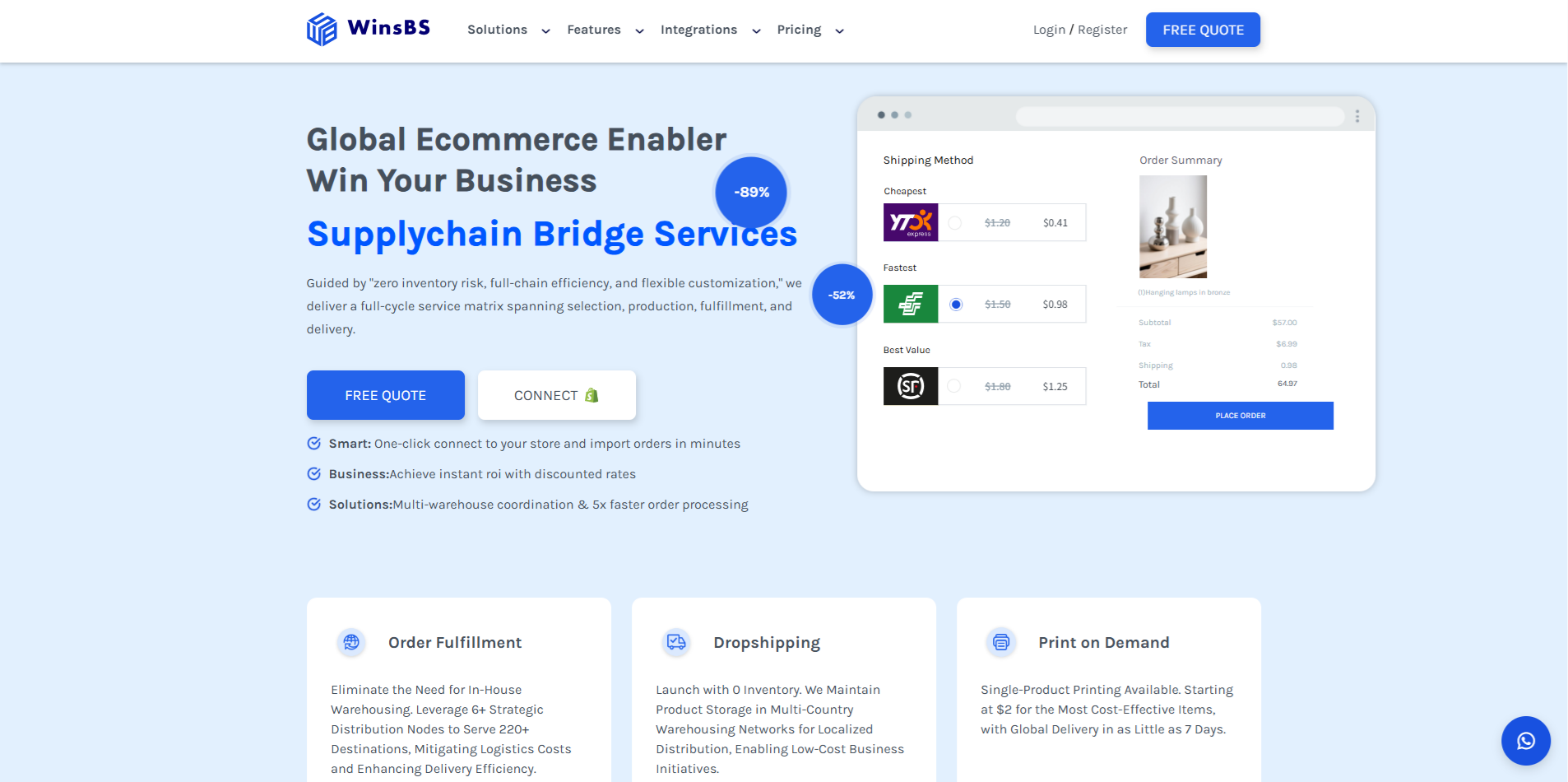
WinsBS is worth shortlisting if your problem is not just shipping speed but the day-to-day mess around apparel variants, returns, branded packaging, and launch pressure. The public page reads like it is written for operators who already know apparel gets complicated fast.
What stands out
- Clear apparel-specific positioning instead of generic ecommerce language
- Useful for brands that need flexible onboarding rather than enterprise-heavy rollout
- Natural internal path to service and pricing pages
Best fit
Growing DTC apparel brands, launch-driven programs, and teams that need a more hands-on conversation around returns, packaging, and SKU complexity.
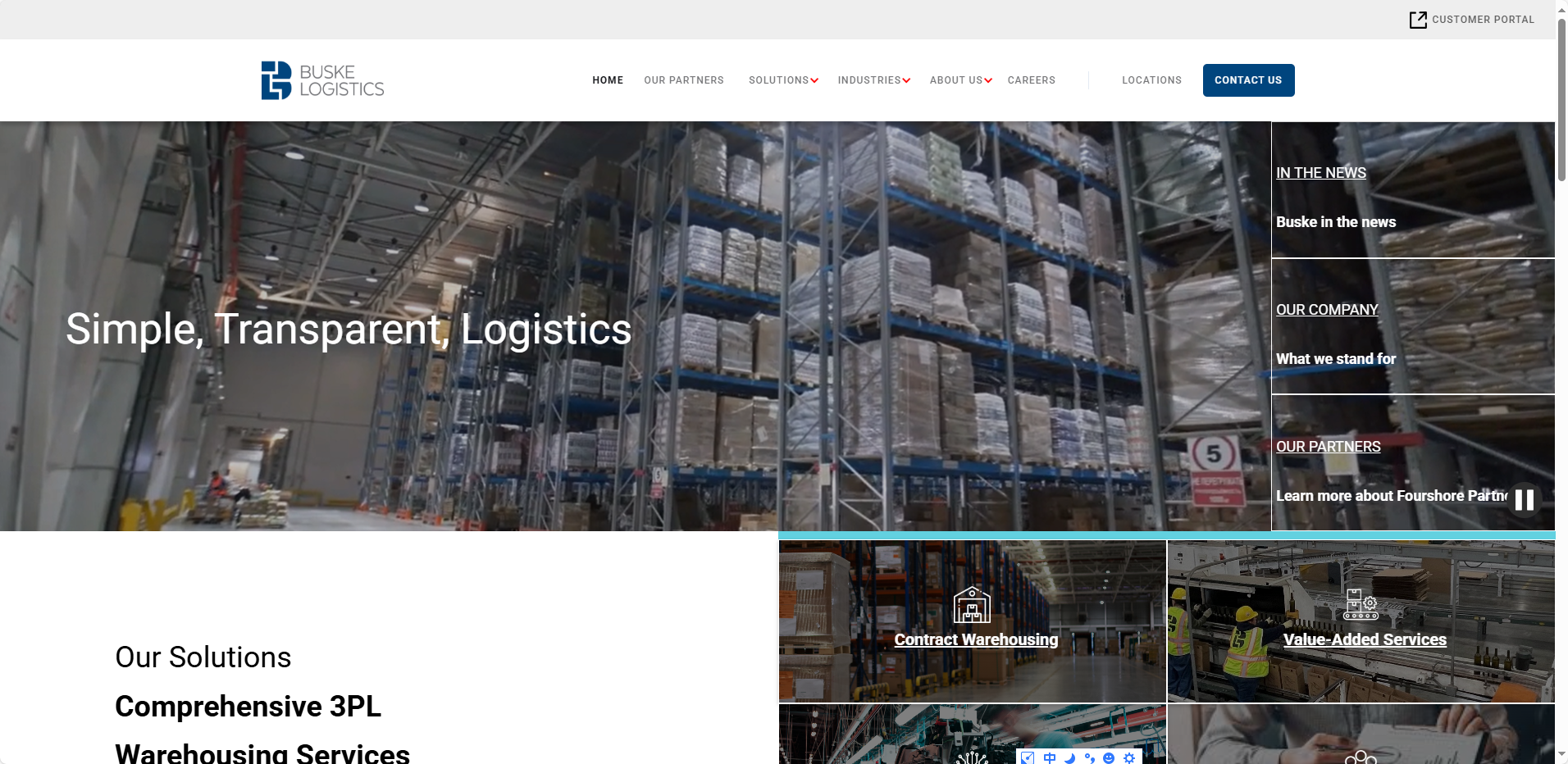
Buske reads like a structured operator, not a lightweight plug-in 3PL. That can be a strength if you care more about facility discipline and operational stability than a startup-friendly feel.
What stands out
- Apparel and footwear language is present on the public page
- Better signal for special handling than many general 3PL pages give
- Feels more infrastructure-driven than marketing-driven
Best fit
Premium apparel and footwear brands that care about process stability, environmental control, and a more mature operating footprint.
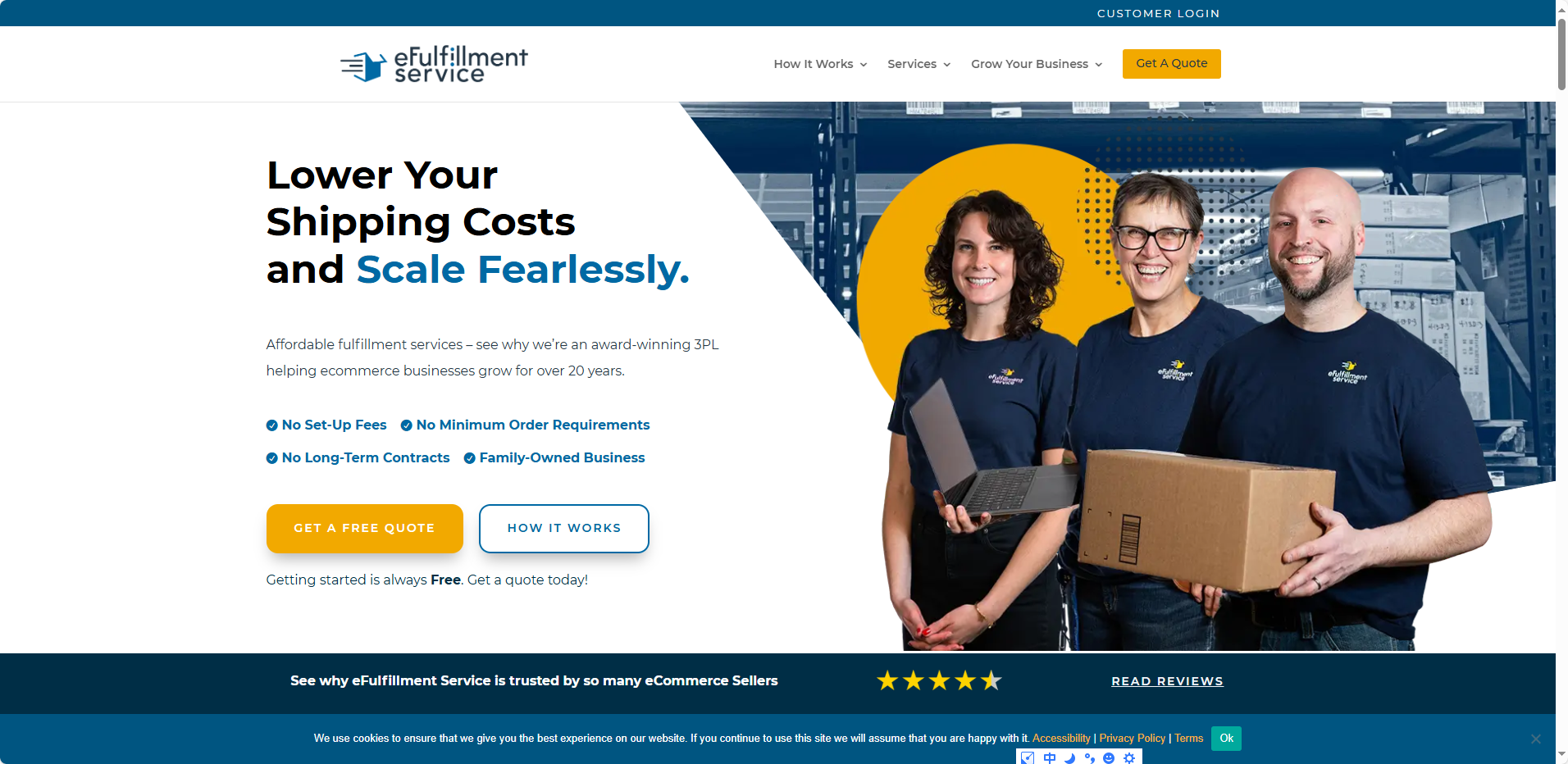
eFulfillment Service makes sense when the brand is small enough that "we need to get out of our own warehouse work" is the main issue. It is easier to read as a first outsourcing move than as the long-term answer for a very complex apparel program.
What stands out
- Lower-barrier posture for startups and smaller ecommerce brands
- Apparel page is direct and easy to understand
- Useful option when simplicity matters more than network breadth
Best fit
Startups and smaller apparel brands that need a practical first 3PL rather than a complex distributed network.
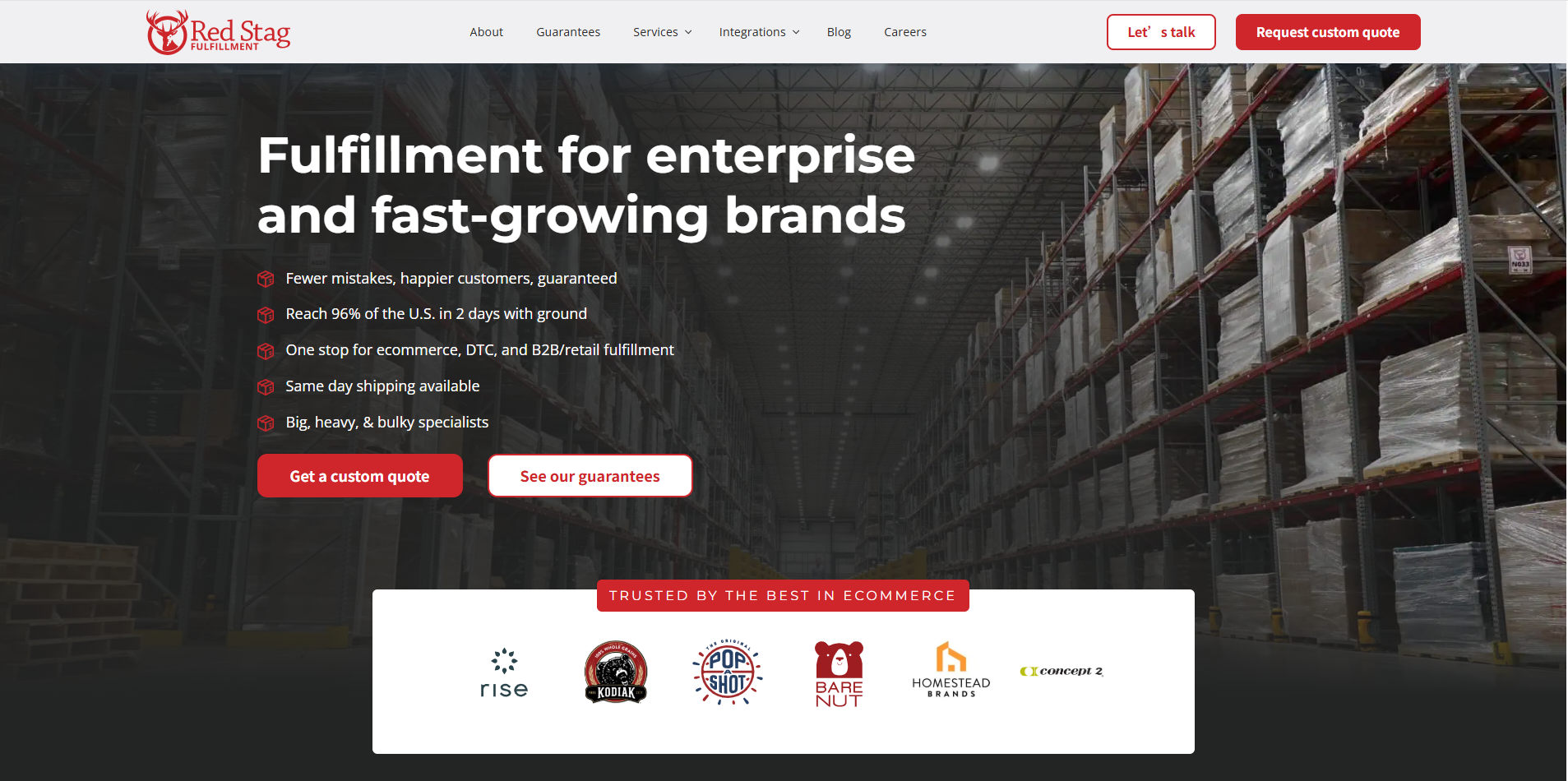
Red Stag is unusually direct about fit, and that matters. They are a strong comparison point for service discipline and operational standards, but they are not positioning themselves as an apparel-native specialist.
What stands out
- Direct language around selectivity and fit
- Useful benchmark for generalist execution standards
- Good reminder that a solid 3PL is not automatically the right 3PL for apparel
Best fit
Teams benchmarking reliability, accuracy, and service discipline across generalist operators.
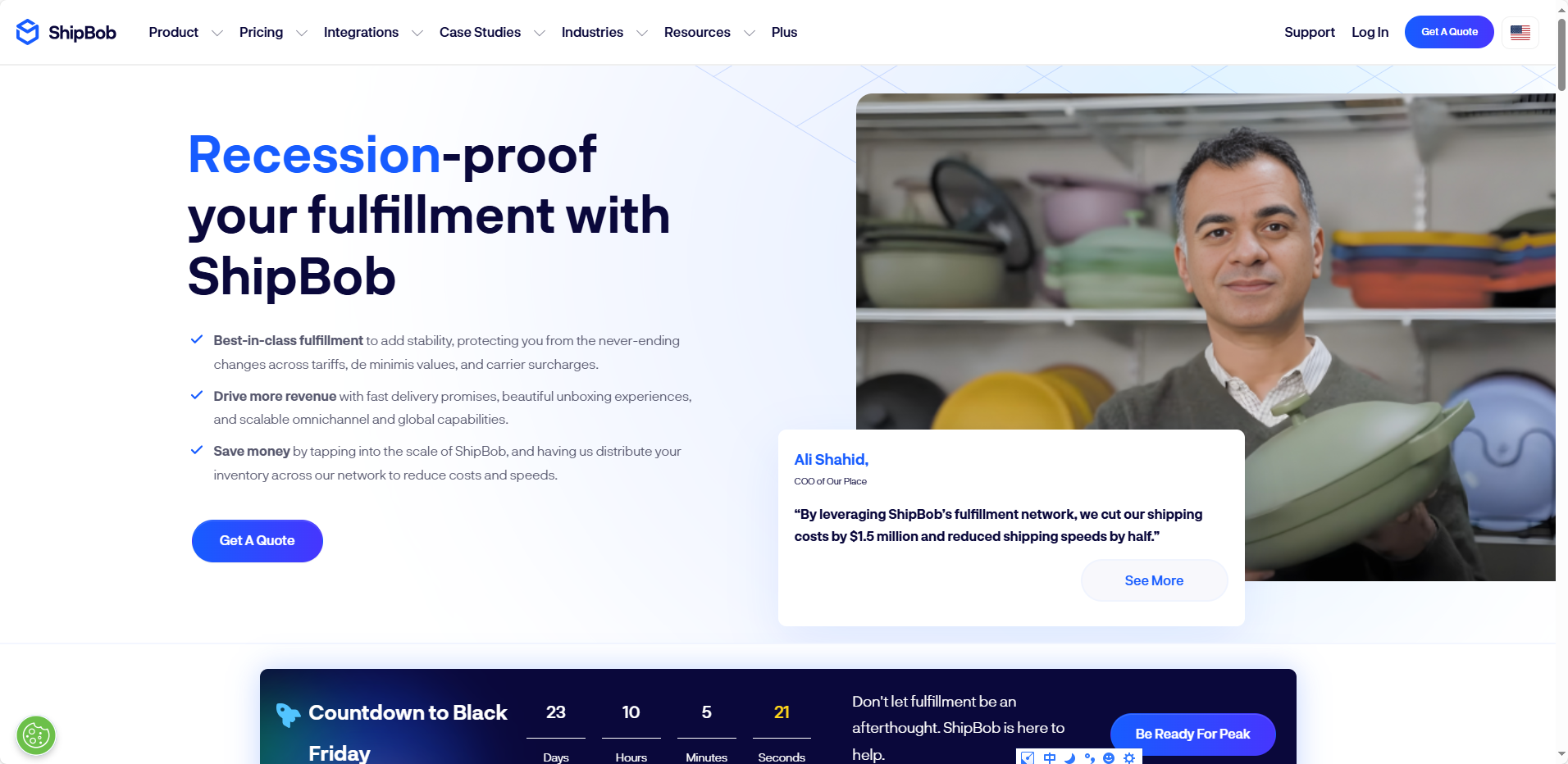
ShipBob stays relevant because a lot of apparel brands want a provider that already feels native to the DTC stack. The appeal is obvious. The risk is assuming broad network coverage means your returns and handling issues are solved.
What stands out
- Easy for growing DTC teams to evaluate quickly
- Strong familiarity with ecommerce integrations
- Public positioning is clear and easy to compare
Best fit
Scaling DTC apparel brands that want recognizable tooling and broader national coverage.

ShipMonk is easier to justify once the apparel business is already wider than one sales channel. If wholesale, marketplaces, DTC, and international questions are all hitting at once, the broader systems story matters more.
What stands out
- Feels more natural for multi-channel operations than single-channel brands
- Public apparel positioning is clearer than many general 3PL pages
- Good comparison point when operational complexity is already rising
Best fit
Fast-growing apparel brands that need broader systems coverage, not just a place to store and ship orders.
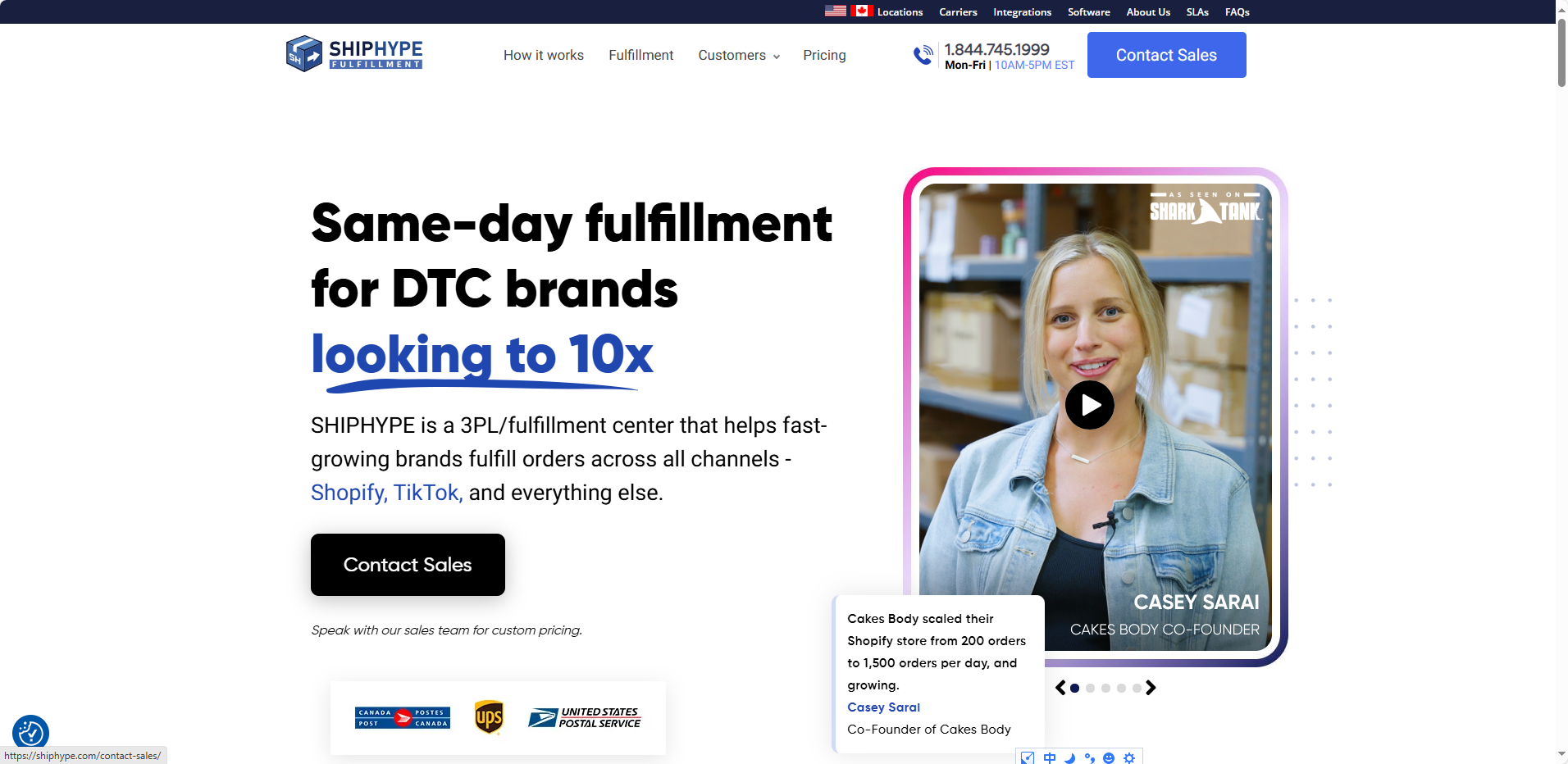
SHIPHYPE feels like a practical North America option for smaller brands that need DTC, B2B, and marketplace overlap without immediately moving into a larger enterprise-style relationship.
What stands out
- Reasonable comparison point for SMB apparel brands
- Useful if FBA prep and hybrid channel support matter
- Public posture is more accessible than many large operators
Best fit
SMB apparel brands balancing DTC, wholesale, and marketplace needs in North America.
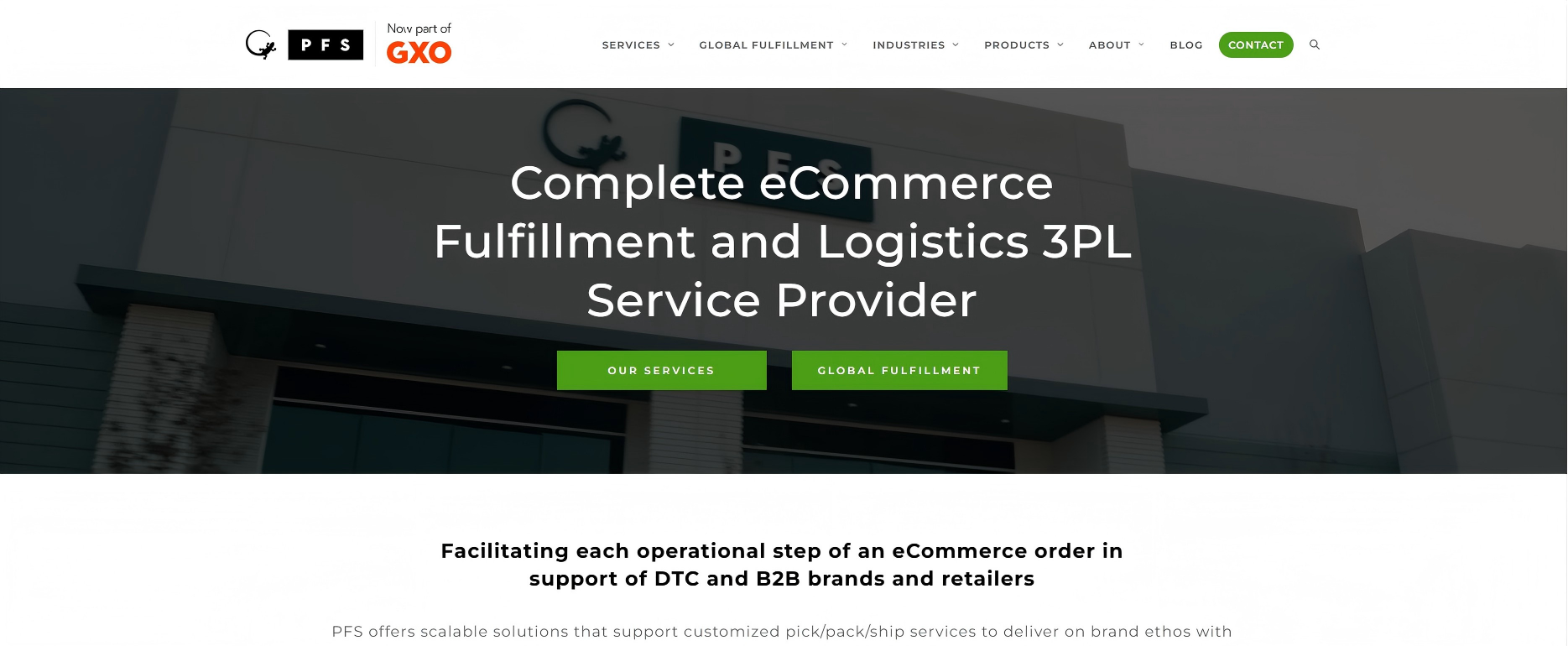
PFS reads like a stronger fit for fashion brands where the warehouse experience is tied closely to the brand experience. Packaging, service consistency, and omnichannel coordination sit closer to the center here.
What stands out
- Good signal for fashion and brand-sensitive programs
- More aligned with higher-touch expectations than bare-bones fulfillment
- Feels better suited to established brands than early-stage operators
Best fit
Established fashion and apparel brands that care about presentation, service depth, and omnichannel coordination.
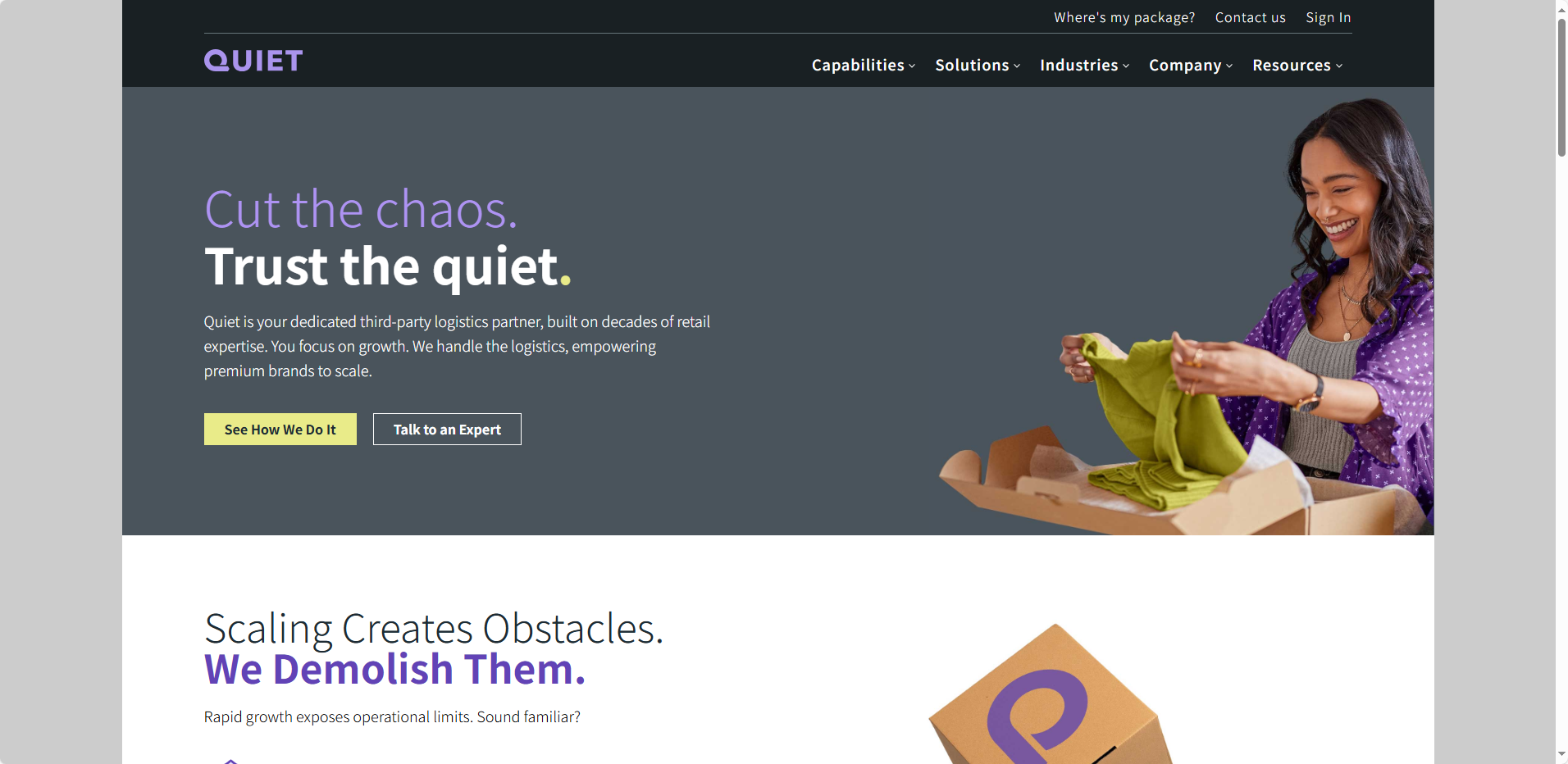
Quiet stands out more for network design and broader delivery logic than for pure apparel-first positioning. That makes it interesting, but it also means you should be more careful about confirming true apparel workflow fit.
What stands out
- Interesting comparison point for network-driven operations
- Retail pedigree changes the conversation, but does not answer apparel handling by itself
- Needs more direct verification than the clearer apparel pages on this list
Best fit
Mid-market and lifestyle brands that care about broader network logic and delivery architecture.
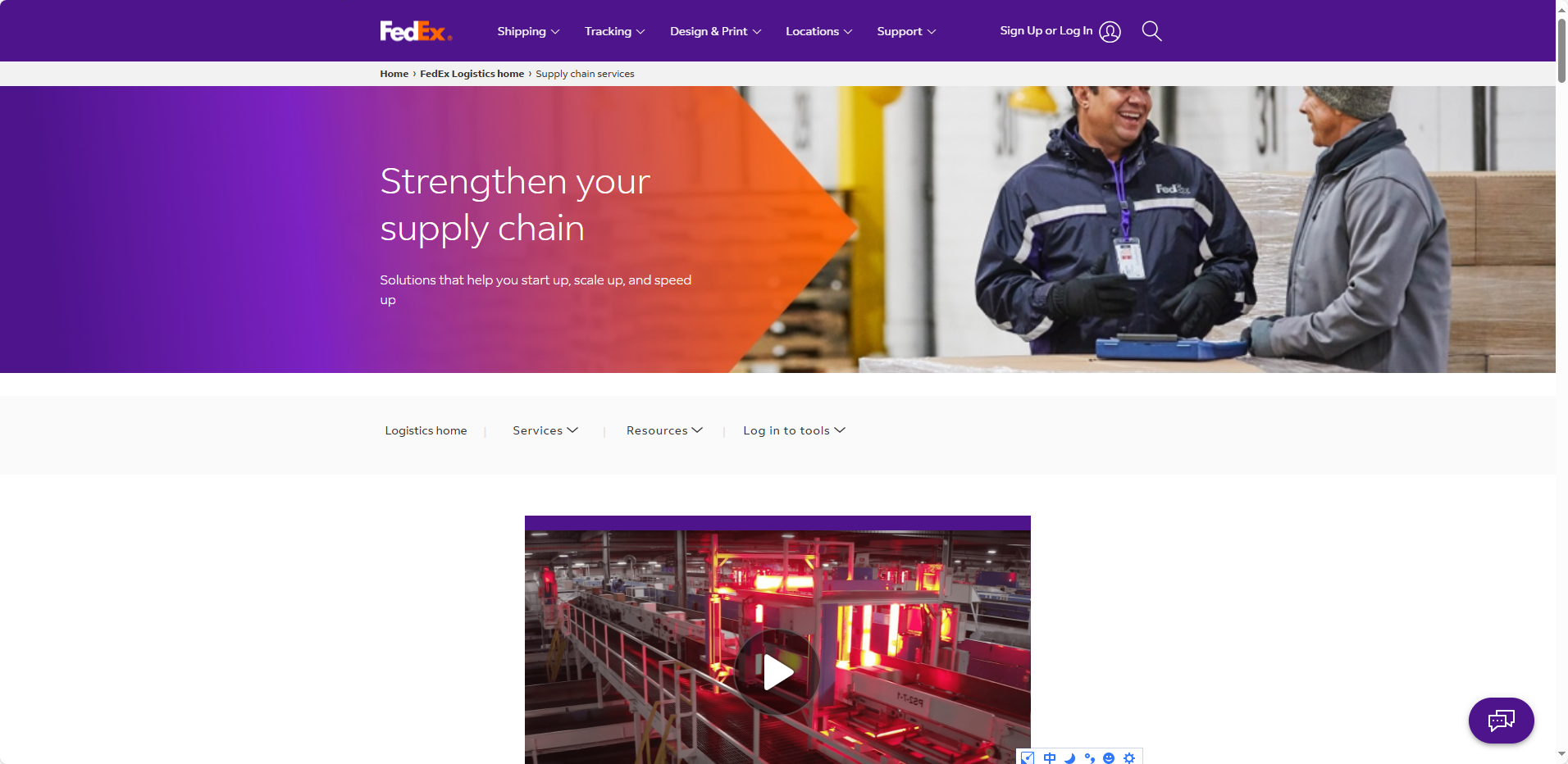
FedEx Supply Chain belongs here because some apparel brands do need large-scale process depth, automation, and broader operational muscle. It also belongs here because plenty of smaller brands should see that scale and decide it is simply too much operator for what they need right now.
What stands out
- Enterprise-scale footprint and process depth
- Useful benchmark for what large supply chain operators look like
- Likely overbuilt for many startup and SMB apparel brands
Best fit
Larger apparel brands that need scale, structure, and enterprise-grade operational support.
What to Confirm Before You Sign With Anybody
The shortlist is only half the job. Apparel deals usually go sideways because the team assumes the provider handles something the provider never really agreed to own. Before you move forward, force the hard questions into the open.
The questions that save the most pain later
- Who decides when returned units are clean enough, complete enough, and presentation-safe enough to go back into sellable stock?
- How are size and color variants counted, cycle-counted, and investigated when inventory starts drifting?
- What happens during launch drops, promo weeks, or sudden volume spikes when receiving and outbound overlap?
- Which charges are routine, which ones are seasonal, and which ones show up only after the account is live?
- How much branded packaging, relabeling, prep, kitting, or wholesale compliance work is actually supported in the operating flow?
- When a normal order turns into a weird order, who owns the decision and how quickly does it get resolved?
If a provider sounds strong on paper but gets fuzzy when the conversation moves to returns, SKU exceptions, or channel overlap, that usually tells you more than the sales deck did.
Where to Go Next
If you are already past research mode and want to see how WinsBS handles apparel programs directly, go to the main apparel fulfillment services page. That page is the center of the apparel cluster and should carry the broad commercial intent this comparison page should not try to steal.
If pricing clarity is your next issue, review WinsBS pricing. If you stay on this comparison page, use it the right way: not to find a magical universal winner, but to cut down the list to providers that actually fit the kind of apparel operation you are running now.